Column · @paxtonrbfu839
Gutter Repair Solutions for Detached Garages and Sheds
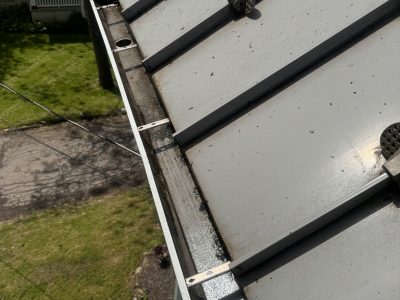
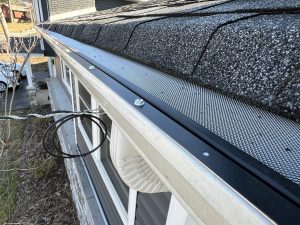
Detached garages and sheds rarely get the same attention as the house. That is exactly why gutter problems on these smaller structures tend to linger until the fascia softens, the slab stains, or the door starts sticking after every storm. I have seen plenty of outbuildings with roofs in decent shape and walls still sound, yet the gutters were hanging by one spike, overflowing at every corner, or draining straight onto the threshold. The fix is usually simpler and less expensive than people expect, but only if it happens before the water starts working on the structure itself.
Gutter repair on a detached garage or shed is not always a scaled-down version of house work. These buildings often have lighter framing, shorter rooflines, fewer downspouts, and less forgiving drainage around them. Some are set on gravel pads, some on old slabs with poor slope, and many sit just far enough from the main house that nobody notices trouble until rot or settlement shows up. A repair plan has to fit the building, the roof pitch, the local rainfall, and the way the space is actually used.
Why outbuilding gutters fail differently
A detached garage usually carries a simple roof, but simple does not mean trouble-free. In fact, these buildings are often built with thinner fascia boards and less substantial eave details than a house. A small sag in the gutter can pull fasteners loose. One clog at the outlet can make a 20-foot run fill like a trough. Once that happens, the added weight starts a chain reaction: the gutter twists, joints separate, and water runs behind the back edge where nobody sees it.
Sheds present their own quirks. Many are sold as prefabricated units with lightweight trim and narrow overhangs. Add-on gutters are sometimes fastened into trim that was never meant to carry water weight. A half-inch of standing water may not sound like much, but over a season it can stain siding, splash mud onto doors, and soften the soil at the base. On small structures, minor drainage defects create visible damage faster because everything is compact and close to the ground.
Location matters too. A detached garage along a property line may have only one safe direction for drainage. A backyard shed near a garden bed may overflow into mulch that stays wet for days. If a workshop or garage stores tools, lawn equipment, paint, or lumber, persistent moisture can ruin more than the building envelope. I have walked into garages where Gutter Repair the first clue was not a drip but rust on shelving and a damp smell in a supposedly dry corner.
The signs that call for repair now, not later
Most outbuilding gutter issues announce themselves well before total failure. The challenge is that owners tend to accept them as cosmetic. A crooked gutter on a shed does not seem urgent until the door frame swells or the bottom course of siding starts to fray.
Here are the signs worth taking seriously:
- water spilling over the front edge during ordinary rain, not just severe storms
- gutters pulling away from the fascia, especially at corners or near downspouts
- dark streaks on siding, peeling paint, or soft wood behind the gutter line
- puddling at the slab edge, base of wall, or directly in front of doors
- joints that drip long after the rain stops
Any one of those can justify prompt gutter repair. Two or three together usually mean the problem has been active for a while.
Repair or replace, making the right call
Not every damaged gutter should be repaired, and not every ugly gutter needs replacement. The best decision comes from looking at the full system, not just the worst spot.
If the metal is sound, the profile is still reasonably straight, and the problem is loose fasteners, failed sealant, or a localized sag, repair is often the sensible route. This is especially true on detached garages where runs are short and access is easy. Rehanging a 24-foot section, resealing end caps, and correcting pitch can buy years of service for a modest cost.
Replacement makes more sense when corrosion has eaten through the bottom, seams have failed in several places, or the gutter is undersized for the roof area and local rainfall. I have seen many old utility sheds fitted with narrow plastic gutters that looked fine in light rain but could not handle a real downpour. Repairing those systems only delays the inevitable because the original design was marginal.
There is also a practical threshold tied to the fascia. If the board behind the gutter is soft, split, or rotten along a long stretch, the gutter cannot be anchored properly until the wood is repaired. At that point, people often decide to replace the gutter too, because labor overlaps. That is usually a good call. Fastening new hardware into compromised wood is a temporary move at best.
Common detached garage gutter problems and what fixes them
Sagging runs and poor pitch
The most common issue is a gutter that no longer drains toward the downspout. On a detached garage, this often happens because the original spikes loosened or the hangers were spaced too far apart. Water settles in the low spot, debris sticks there, and the extra weight deepens the sag.
A proper repair starts by emptying the run, checking the fascia, and resetting the gutter with the correct slope. A general target is a subtle pitch toward the downspout, enough to move water without looking crooked from the ground. On a shorter shed run, the visual margin is tight, so precision matters. If one side is obviously lower, the repair was rushed.
In practice, hidden hangers with screws hold better than old spike-and-ferrule systems on many small buildings. They spread support more evenly and resist pullout better, provided the fascia is still sound.
Leaking seams and corners
Seams fail for predictable reasons: movement, standing water, old sealant, and debris that keeps moisture trapped. Corner joints on detached garages are especially vulnerable because ladders, tree limbs, and roof runoff all seem to find them.
The durable fix is to clean down to sound material, dry the joint thoroughly, reseal with a product intended for gutter work, and mechanically secure the connection if needed. Smearing fresh sealant over dirt and oxidation rarely lasts. On older metal gutters, once the seam edges thin out or distort, replacement of that section may outperform repeated patching.
Downspouts that discharge too close to the building
A gutter can function perfectly and still fail the building if the downspout dumps water right at the slab edge. This happens all the time with detached garages, where extensions are removed because they get in the way of walking, mowing, or opening doors.
The repair solution is not glamorous, but it matters. Water has to be carried away from the base, whether by a simple elbow and extension, a splash block placed on stable grade, or a tie-in to a site drainage system where appropriate. For a shed, even moving discharge a few feet away can make a dramatic difference in mud splash and rot risk.
Overflow caused by clogs, not size
People sometimes assume a gutter is too small because it overflows. On sheds and garages, the real issue is often one plugged outlet. A handful of shingle grit and leaf matter can choke a downspout opening quickly, especially where no strainer or outlet guard is present.
Once cleaned, the system may perform normally. If clogs are frequent because of nearby trees, then gutter protection can help, but not every guard suits every site. Fine mesh keeps out small debris yet can demand more surface cleaning under heavy pollen or seed drop. Brush-style inserts are easy to install but can trap organic matter over time. This is where judgment matters more than product marketing.
Sheds need lighter-touch repairs, but not makeshift ones
Sheds tempt people into improvised fixes because the building seems less critical. That usually creates second-round problems. I have seen gutters screwed into thin trim boards, patched with roof cement, and supported with wire from the rafters. Those fixes may survive a season, but they tend to fail at the first hard freeze or summer cloudburst.
A better approach is to respect the lighter construction without underbuilding the repair. On a prefabricated shed, that may mean adding a proper mounting board behind the gutter line so the hangers have real purchase. On a garden shed with a shallow roof and low eaves, it may mean choosing a smaller gutter profile that fits the proportions of the roof without reducing performance. The goal is not to mimic a house system exactly. The goal is to create a stable path for water from roof edge to safe discharge point.
Plastic gutters deserve special mention. They are common on sheds because they are inexpensive and easy to cut. They can work well on small roofs in moderate climates, but they move more with temperature changes and can become brittle with age. If the problem is just one separated union or a short cracked section, repair is straightforward. If several clips have failed and the runs have gone wavy, replacement often saves time and frustration.
The hidden issue behind many garage gutter failures, fascia damage
When detached garage gutters pull loose, owners often focus on the hardware. Sometimes the hardware was the weak point. Just as often, the fasteners were telling the truth about the wood behind them. Repeated overflow or backflow behind the gutter saturates the fascia. Paint hides it for a while. A screwdriver or awl tells the real story.
Soft spots around old nail holes, staining at miter joints, and crumbly wood fibers near the roof edge all point to moisture damage. Gutter repair done without fascia repair is a half measure. The gutter may look straight for a while, but every storm will work the screws a bit more. Eventually they loosen again, and the owner blames the new hangers when the real issue was substrate failure.
On smaller buildings, fascia replacement is often manageable because lengths are short and access is simpler than on a two-story house. It still has to be done carefully. Any replacement board should be primed or sealed on all sides where practical, then fastened securely into solid framing. Once the backing is restored, the gutter system has a fair chance to perform.
Dealing with snow, ice, and wind on small structures
Climate changes the repair strategy. In snow country, detached garages and sheds often suffer from sliding roof snow that slams into the gutter. Even a correctly installed system can deform under that load. If the roof is metal and the eave line sits low, snow retention devices on the roof may be a better investment than repeated gutter repairs.
Ice creates subtler damage. Freeze-thaw cycles can enlarge tiny seam openings and force apart end caps. On an unheated garage, melt patterns tend to be uneven, so one side may hold ice longer than the other. In those areas, repair materials have to remain flexible, and the drainage path must be clean before winter sets in.
Wind affects lighter sheds more than people realize. A detached structure in an open yard may see stronger gusts at eave level than the house does, simply because it lacks wind protection. Loose downspout straps, lightweight elbows, and shallow-hung gutters can rattle free over time. If a shed sits in a windy corridor, sturdier brackets and tighter support spacing are worth the modest extra cost.
A practical order of operations
When someone asks where to start, I usually recommend handling the system in a sequence that prevents doing the same work twice.
- clear debris and flush the gutters and downspouts so the true problems are visible
- inspect fascia, rafter tails, and fastener hold, because structure comes before alignment
- correct pitch and support spacing, then reseal joints and replace damaged short sections
- improve discharge at grade so repaired gutters do not dump water back at the building
- test the system with a hose and watch every joint, corner, and outlet before calling it done
That order matters. If you reseal seams before correcting sag, water may keep pooling and reopen them. If you rehang gutters before checking the fascia, the new screws may not hold.
Material choices that actually suit outbuildings
For many detached garages, aluminum remains the practical default. It is light, rust-resistant, and available in seamless lengths for cleaner performance on longer runs. It also places less stress on modest fascia boards than heavier materials. For sheds, both aluminum and vinyl can work, but the decision should factor in climate, sun exposure, and how often the owner wants to revisit maintenance.
Steel is tougher against impact, which can matter near basketball hoops, ladders, or workshop traffic, but it requires coating integrity to stay ahead of corrosion. Copper is rarely chosen for ordinary garages or sheds unless the outbuilding matches a high-end main residence. It performs beautifully, but the cost only makes sense in specific contexts.
Oversizing can be smart in some cases, though it is not a cure-all. A detached garage with a broad single-slope roof can dump a surprising amount of water into one gutter line. In heavy-rain regions, stepping up one gutter size or adding an extra downspout may solve chronic overflow better than repeated repairs. That kind of adjustment counts as a repair upgrade, not overengineering.
Where many DIY repairs go wrong
Homeowners can handle some gutter repair well, especially on single-story sheds and garages. The trouble starts when the repair is treated as a caulking project rather than a drainage project. Sealant has its place, but water management depends on slope, support, outlet capacity, and discharge location. Miss any one of those, and the leak returns in a different form.
Another common mistake is underestimating ladder risk on detached structures. Garages often have sloped driveways, gravel edges, or limited working room at the side yard. Sheds may sit on uneven pads or close to fences. The repair itself might be straightforward, but safe access is not always simple. I have seen more near-falls on one-story outbuildings than on houses, mostly because people assume the lower height makes the work easy.
Then there Gutter Repair is the temptation to patch around old damage without asking why it happened. If a downspout elbow keeps splitting, maybe the discharge line is blocked. If a corner seam keeps opening, maybe the gutter is carrying too much weight because support spacing is wrong. Repeated failure usually points to an unresolved load or drainage issue.
Maintenance after the repair, enough to matter, not so much it becomes a chore
Detached garages and sheds do not need obsessive attention, but they do reward seasonal checks. A quick inspection in late fall and again in spring catches most developing issues early. Look for standing water, fresh separation at joints, and erosion where water exits. Watch the gutter during an actual rain at least once a year. Five minutes of observation tells more than an hour of guessing on a dry day.
Tree cover changes the maintenance burden. A shed under maples or pines may need cleaning several times per season, while a garage in an open lot may go months with minimal buildup. The right schedule comes from what the site produces, not from a universal calendar.
If the building stores vehicles, tools, or anything moisture-sensitive, it pays to be more proactive. Once water starts entering at the base of a wall or under the overhead door, the cost of neglect climbs quickly. A modest gutter repair becomes slab sealing, trim replacement, mold cleanup, or door track work.
When professional gutter repair is the better investment
There is a point where hiring a professional saves money rather than spending more of it. That point usually arrives when fascia repair is involved, when multiple sections need realignment, when downspout discharge must be reworked, or when the outbuilding sits in a difficult spot for safe ladder work.
A good contractor should be able to explain why the gutter failed, not just quote a new one. On detached garages and sheds, the strongest proposals usually address both the roof-edge hardware and the ground-level water path. If someone wants to swap out a gutter without discussing pitch, fascia condition, or discharge location, that is a warning sign.
The benefit of professional work is not only speed. It is diagnosis. Many stubborn gutter problems on smaller structures come from a combination of slight defects that are easy to miss one by one: a nearly level run, a partly crushed outlet, a downspout that drains onto settled soil, and two hidden soft spots in the fascia. Fixing only the obvious defect rarely ends the cycle.
The real goal, keep water boring
That is what successful gutter repair does on a detached garage or shed. It makes rain uneventful. No splashback on the doors, no drip at the corner, no trench worn into the gravel, no damp smell in the workshop after a storm. The repair does not need to be fancy. It needs to be properly anchored, correctly pitched, clean at the outlets, and directed away from the building.
Small outbuildings are easy to overlook because the stakes feel lower than they do on the house. Yet these structures often hold vehicles, tools, seasonal equipment, and the overflow of daily life. Once water gets a foothold, damage spreads quietly. Timely gutter repair protects the roof edge, the siding, the foundation area, and everything inside. On a detached garage or shed, that is money well spent and trouble well avoided.
Just Gutters LLC
262 Main St
Hackettstown, NJ 07840, United States
Phone: +1 201-331-9454
FAQ About Gutter Repair
Is it cheaper to repair or replace gutters?
Repair can cost less when damage is limited and the remaining system is sound. Replacement may offer better value when leaks, corrosion, or repeated failures affect several sections. An inspection and written estimate can help compare the options.
Can damaged gutters be repaired?
Many localized problems, including leaking joints, loose brackets, sagging sections, and damaged downspout connections, can be repaired. The best approach depends on the material, extent of damage, and condition of the mounting surface.
Can I repair gutters myself?
Simple ground-level checks may help identify a problem, but roof-edge work carries fall risks and may require specialized tools. Professional assessment is advisable for high gutters, loose sections, hidden wood damage, or uncertain drainage problems.